The Close the Gap campaign aims to end the appalling life expectancy gap between Aboriginal and Torres Strait Islander Peoples and non-Indigenous Australians by 2030.
Over the last 10 years people like you have kept this issue front and centre. People like you have raised their voice, got involved and taken action. People like you have made a real difference to Indigenous health.
This is how — together — we’ve started to Close the Gap. Here are 10 of our favourite milestones over the last 10 years:
Close the Gap launched to a groundswell of community support
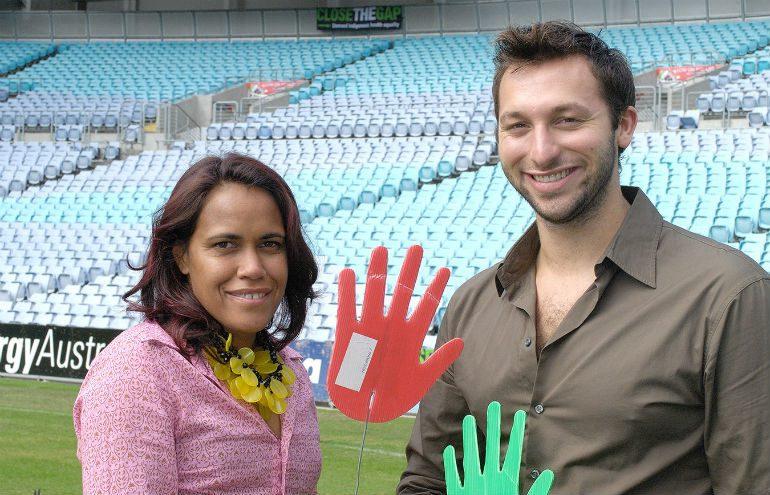
Cathy Freeman and Ian Thorpe. Photo: Michael Myers/OxfamAUS
Australian sporting champions Cathy Freeman and Ian Thorpe launched the Close the Gap campaign (CTG) in Sydney. Led by a coalition of more than 40 Indigenous and non-Indigenous organisations, the campaign aims to achieve Aboriginal and Torres Strait Islander health equality within a generation.
Prime Minister first of many to sign the Statement of Intent
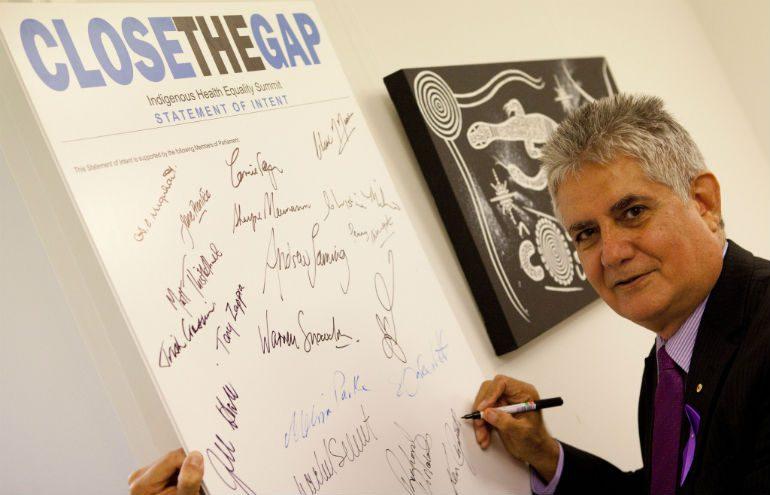
Ken Wyatt. Photo: Timothy Herbert/OxfamAUS
On the back of mounting community calls for action, Australia’s Prime Minister and Opposition Leader signed the Statement of Intent in March 2008. Key ministers and other state and territory leaders soon followed. Here, Aboriginal parliamentarian, Ken Wyatt, signs the Close the Gap Statement of Intent.
Aussie celebrities back Close the Gap

Keith Urban and John Butler. Photo: Jason Malouin/OxfamAUS
The CTG campaign has attracted support from celebrities, including musicians John Butler, Keith Urban, Missy Higgins and Eskimo Joe, AFL footballer Michael Long, boxer Damien Hooper, and former Australian of the Year, Fiona Stanley.
Australian governments agree on six ambitious targets
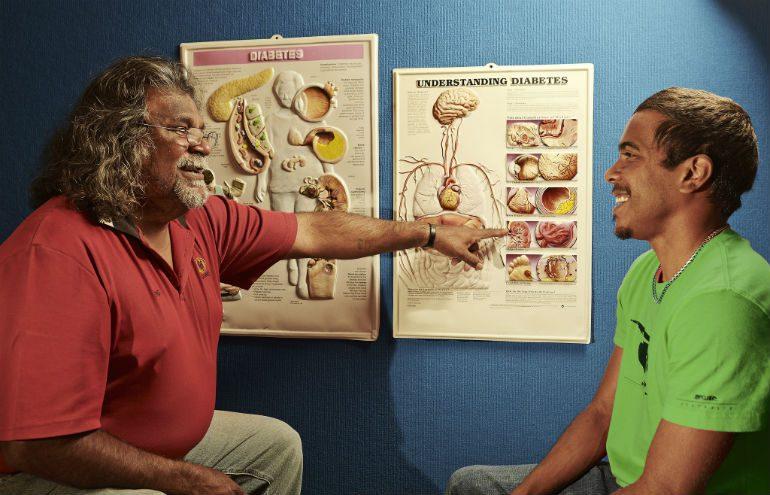
Geraldton Aboriginal Health worker, Eric Dalgety. Photo: Jason Malouin/Oxfam AUS
In 2008, Australian governments agreed to six ambitious targets across life expectancy, child mortality, education and employment as a blueprint to “close the gap”. Governments committed $1.6 billion in funding over three years. This action has contributed to improvements in Indigenous health over the past decade including a fall in diabetes. Here, Geraldton Aboriginal Health worker, Eric Dalgety, speaks with a young client, Kane.
NRL dedicates one round each year to Close the Gap
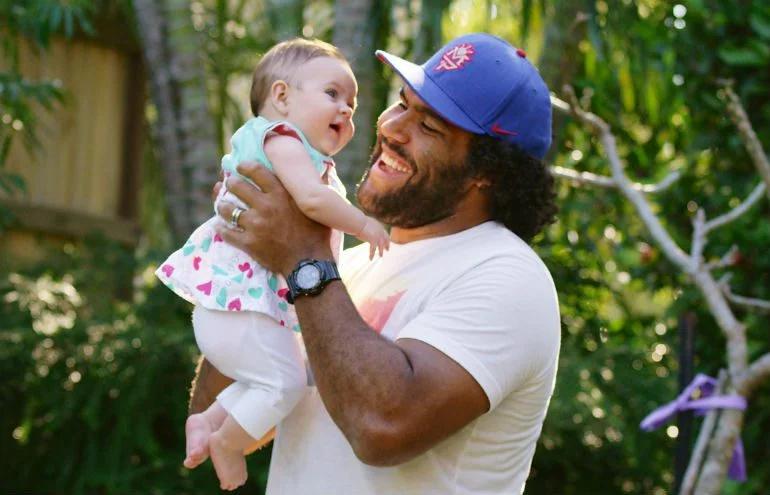
Sam Thaiday. Photo: NRL
The National Rugby League joined the campaign by dedicating a round each year to Close the Gap. In the process, many high-profile Indigenous NRL players — including Sam Thaiday from the Brisbane Broncos (pictured) — got behind the campaign.
National Close the Gap Day continues to break targets
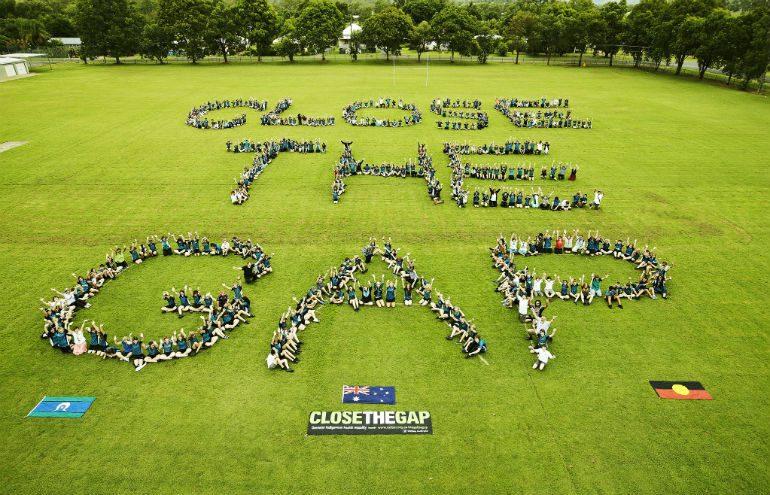
Laidley High School students and Kambu Aboriginal Medical Service. Photo: Jason Malouin/OxfamAUS
National Close the Gap Day (NCTGD) is held in March each year. Involving a huge variety of activities around the country, NCTGD is the key moment each year that Australians show their support for achieving health equality by 2030. This event has been getting bigger every year. Last year, 1,596 events involving more than 200,000 people took place around the country. In 2012, Laidley High School students spelled out Close the Gap with members of Kambu Aboriginal Medical Service (pictured).
Almost 250,000 Australians sign in support of health equality
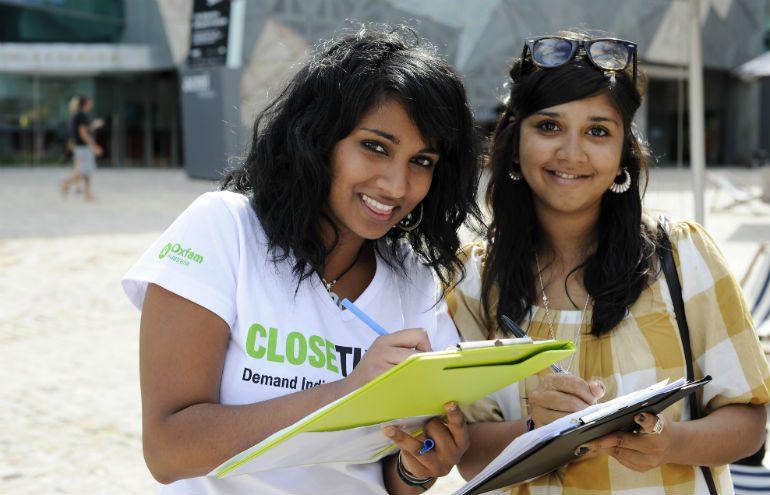
Photo: Lara McKinley/OxfamAUS
More than 200,000 Australians have so far signed the Close the Gap pledge calling for Australia’s federal, state and territory governments to achieve Indigenous health equality by 2030. This public pressure continues to ensure Indigenous health remains at the forefront of politicians minds.
National health plan developed in partnership with Aboriginal and Torres Strait Islander Peoples
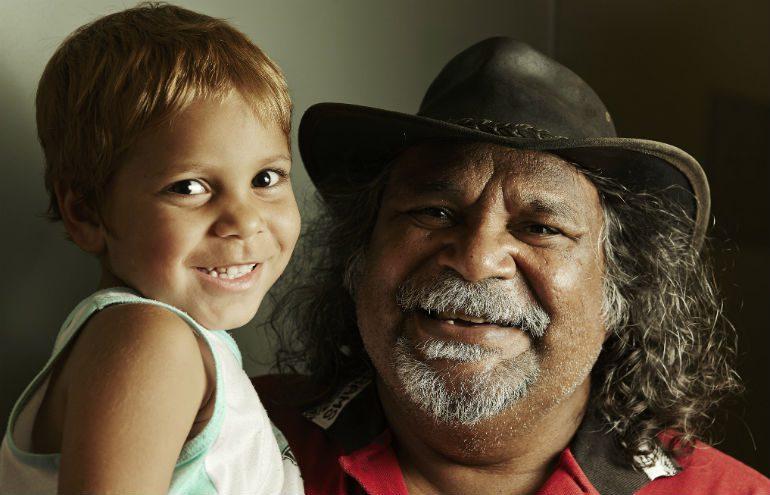
Photo: Jason Malouin/OxfamAUS
The CTG campaign was central to the Australian Government’s development of a national plan being produced in partnership with Aboriginal and Torres Strait Islander Peoples. Importantly, this plan recognises that improving Indigenous health will require action on social, emotional, spiritual, cultural and physical wellbeing, and must involve community-led solutions. PhotoJason Malouin/OxfamAUS
The call for politicians to recommit: “It’s our nation’s business”
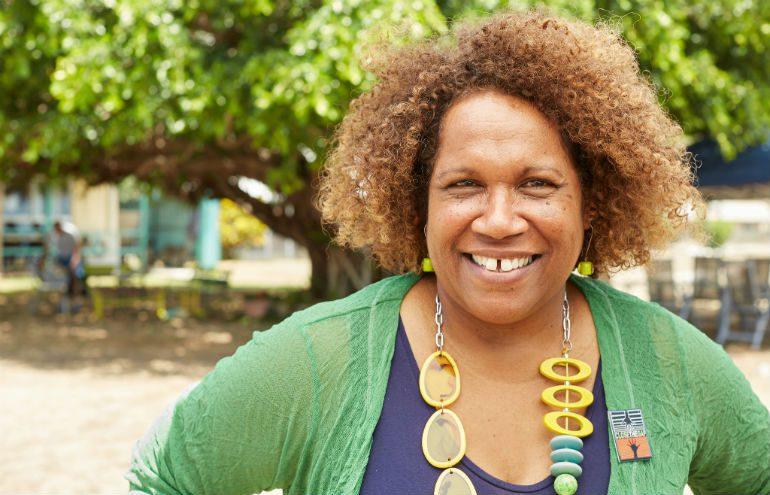
Lynore Geia. Photo: Jason Malouin/OxfamAUS
Indigenous representatives joined the Prime Minister for the Closing the Gap parliamentary breakfast in our nation’s capital last month. Lynore Geia, a nurse and health advocate in Queensland for more than 40 years, summed up many people’s thoughts at this breakfast with her comments delivered for this year’s NCTGD video: “Indigenous health is everyone’s business. It’s our nation’s business. [If] we’re about our nation moving … forward, then we have to deal with business. Together!”
We need you to be part of our 10 year milestone: register now for National Close the Gap Day 2016
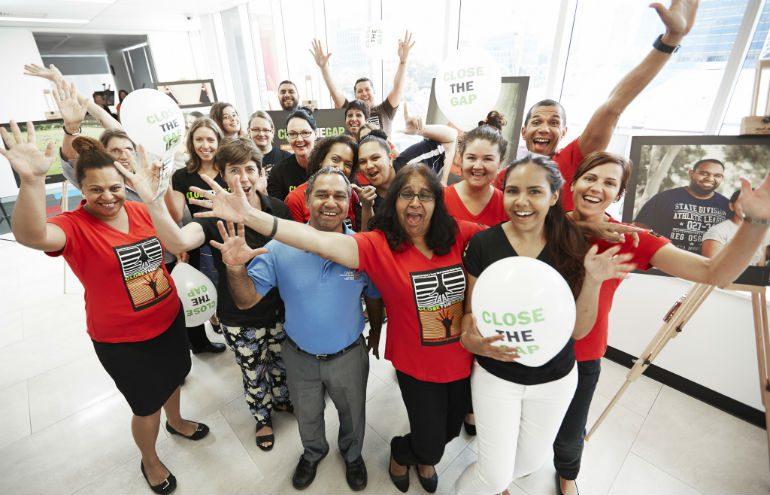
Photo: Jason Malouin/OxfamAUS
While we’ve made some great progress towards closing the gap, we still have a long way to go to achieve health equality by 2030. Join us for the 10th anniversary year of the campaign by calling on governments to recommit to closing the gap. And the best way to do this? Register for National Close the Gap Day.
Register for National Close the Gap Day
Hold an activity of your choice in support of health equality across Australia.
Register now